How Social Organizations in Australia Respond to Interconnected Social and Environmental Crises in 2026
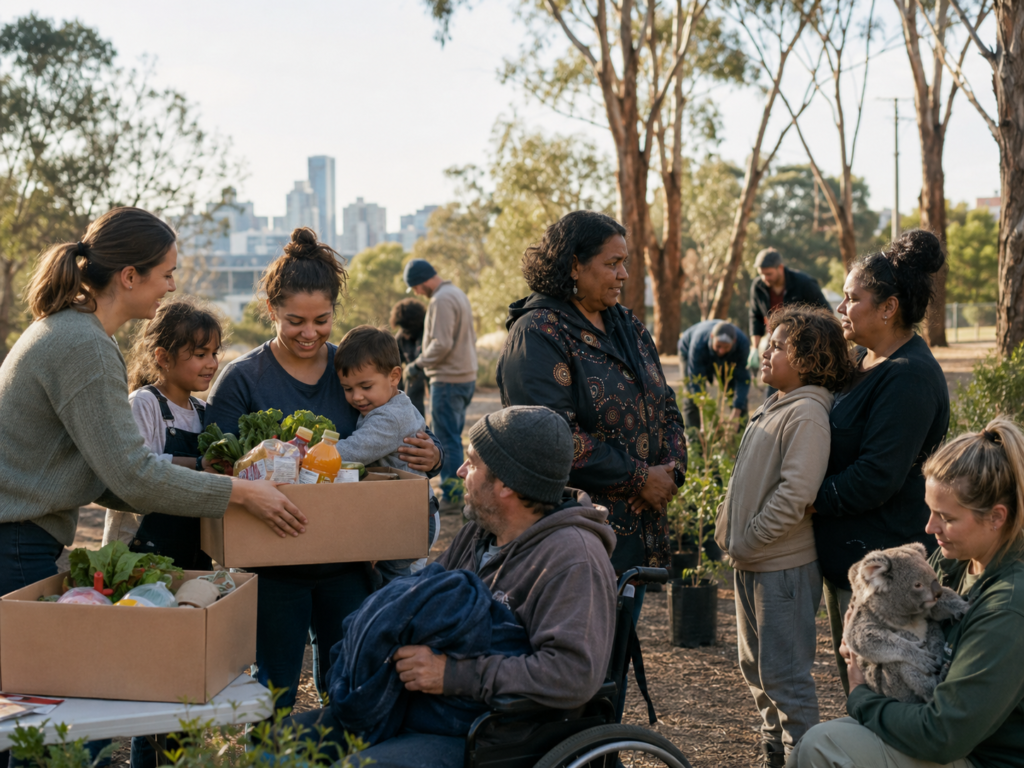
Australia in 2026 faces a reality where social and environmental challenges are deeply interconnected. Issues such as housing stress, rising living costs, climate-related disasters, and inequality do not exist separately—they influence one another in complex and often compounding ways.
Social organizations play a critical role in managing this complexity by acting as flexible, community-based response systems. Unlike rigid institutional structures, they adapt quickly to changing conditions and local needs.
One of the most visible pressures is the rising cost of living. Inflation in essential goods such as food, rent, and energy has placed significant pressure on households across Australia. Social organizations respond by operating food banks, community kitchens, and emergency relief programs. However, their role extends beyond immediate assistance. Many also provide financial counselling, helping individuals manage debt, negotiate bills, and access government assistance programs.
This combination of immediate relief and financial education is important because it addresses both symptoms and causes.
Another major challenge is housing insecurity and homelessness. In Australia, homelessness is not always visible. Many individuals experience “hidden homelessness,” such as staying temporarily with friends, living in overcrowded housing, or moving frequently due to instability.
Social organizations respond through emergency shelters, transitional housing programs, legal assistance, and case management services. Case management is particularly important because it provides individualized support, helping people navigate complex systems such as rental applications, welfare services, and employment pathways.
Climate-related disasters have become more frequent and severe. Bushfires, floods, and heatwaves require immediate humanitarian response but also long-term resilience planning. Social organizations are often among the first responders during disasters, providing evacuation support, food distribution, and emergency accommodation.
However, their role does not end when the emergency ends. Recovery phases can last months or even years. Organizations support rebuilding efforts, mental health services, and financial recovery programs. Increasingly, they also participate in climate adaptation strategies, such as community cooling centers, urban greening, and disaster preparedness training.
The fourth major area is social inequality and access disparity. Certain populations are disproportionately affected by crises due to systemic barriers. These include Indigenous communities, migrants, refugees, elderly individuals, people with disabilities, and low-income families.
Social organizations address these gaps through culturally appropriate services, language support, inclusive education programs, and community-led initiatives. A growing trend in 2026 is co-design, where programs are developed with communities rather than for them. This approach improves effectiveness and trust.
A key insight in understanding these systems is that crises are interconnected. For example, a flood does not only destroy infrastructure; it can also increase housing costs, disrupt employment, impact mental health, and strain local food systems. Similarly, rising energy costs during heatwaves disproportionately affect elderly people and low-income families, creating both environmental and social risk.
Because of this, social organizations increasingly adopt integrated service models. Instead of offering one type of assistance, they bundle services together. A housing support program may include financial counselling, mental health services, job training, and legal assistance. This reduces fragmentation and improves long-term outcomes.
Collaboration is another essential factor. No single organization can address these issues alone. Partnerships between NGOs, local councils, healthcare providers, and government agencies are now standard practice. Data sharing and coordinated planning help ensure that support reaches the right people at the right time.
Real-world examples highlight this integrated approach. After a major flood event, affected families may require immediate shelter, followed by food assistance, housing relocation, insurance claims support, and mental health services. Environmental organizations may simultaneously begin ecosystem restoration projects to reduce future risk. This multi-layered response demonstrates how social and environmental systems intersect.
In conclusion, social organizations in Australia in 2026 function as adaptive response networks. They do not simply address isolated problems; they manage interconnected crises that require coordination, flexibility, and long-term thinking.
For volunteering and civic participation opportunities, see:
https://www.volunteeringaustralia.org
In some cases, disaster response coordination also involves organizations like the Australian Red Cross:
https://www.redcross.org.au