Trends Affecting Property Companies and Housing Development in Australia
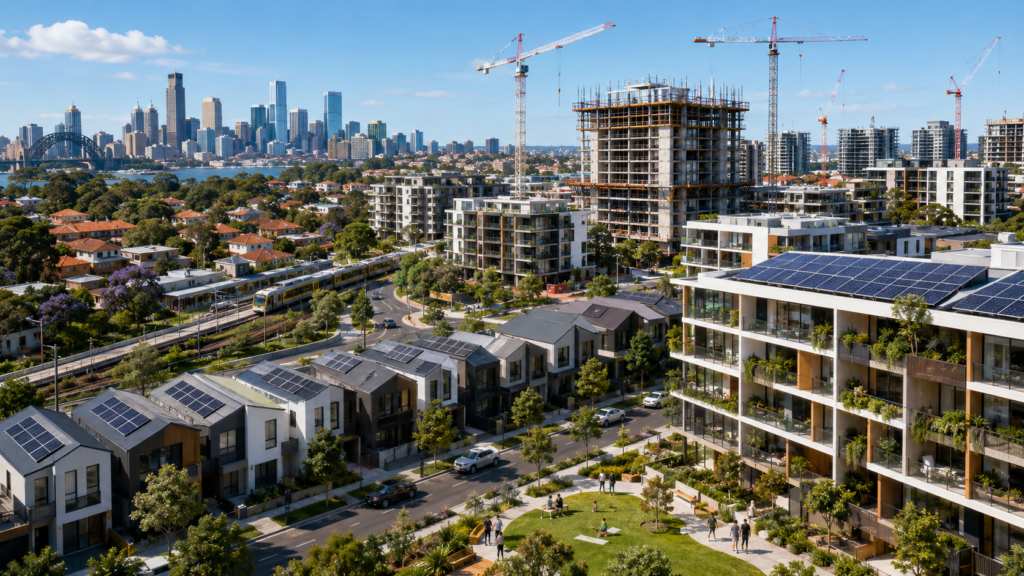
The Australian property industry is a vital part of the country’s economic and social landscape. Property companies are responsible for developing homes, apartment buildings, townhouses, retirement communities, commercial spaces, and mixed-use precincts. In the housing market, their decisions influence where people live, how communities grow, and how cities respond to population pressure. Over recent years, the sector has experienced major changes caused by demand growth, affordability challenges, construction pressures, and a stronger focus on sustainable development.
Housing demand remains one of the main drivers of property activity in Australia. Major metropolitan areas continue to attract residents because they offer jobs, education, healthcare, transport, and lifestyle opportunities. At the same time, some regional and outer-suburban areas have gained popularity as buyers search for more space and better value. This shift has encouraged property companies to look beyond traditional inner-city projects and explore growth areas supported by new roads, rail links, schools, and shopping facilities.
Supply remains a difficult issue. Even when demand is strong, delivering new housing can take years. Developers must work through zoning rules, council approvals, environmental requirements, financing arrangements, and construction scheduling. Rising costs for materials and labor can also affect whether a project remains financially viable. Because of these challenges, property companies need strong risk management and careful planning. A project that looks profitable at the beginning can become difficult if costs rise or market conditions shift.
Affordability is another central concern. Many Australians want to buy homes, but high prices in established suburbs have made ownership harder. This has pushed developers to offer more diverse housing options. Apartments, townhouses, terraces, and smaller homes are becoming more common in areas where land is expensive. These formats allow more people to live close to services and employment centers without relying only on large detached houses. For property companies, housing diversity is not only a social need but also a commercial strategy.
The rental market is also changing. As more people rent for longer periods, there is rising interest in better-quality rental accommodation. Build-to-rent housing is gaining attention because it provides purpose-built rental apartments with professional management and shared amenities. This model can appeal to young professionals, downsizers, students, and families who want flexibility without sacrificing comfort. For developers and investors, build-to-rent offers a long-term income stream rather than one-off sales.
Sustainability has moved to the center of property development. Many companies are designing homes that use less energy, reduce water consumption, and perform better in extreme weather. Features such as rooftop solar, efficient windows, natural ventilation, recycled materials, and green open spaces are increasingly valued. Environmentally responsible design can also help residents manage living costs, especially when energy prices are high.
Technology is helping property firms become more efficient. Data analytics can identify demand patterns, while virtual tours and digital marketing make it easier to reach buyers. Construction technology, including prefabricated components and smart project management tools, may help reduce waste and speed up delivery.
Australian property companies face a challenging but opportunity-rich market. Demand for housing is strong, but success depends on delivering the right type of homes in the right locations. Developers that combine affordability, sustainability, good design, and community planning will be best placed to meet Australia’s future housing needs.