How Environmental Organizations in Australia Promote Conservation and Sustainable Practices
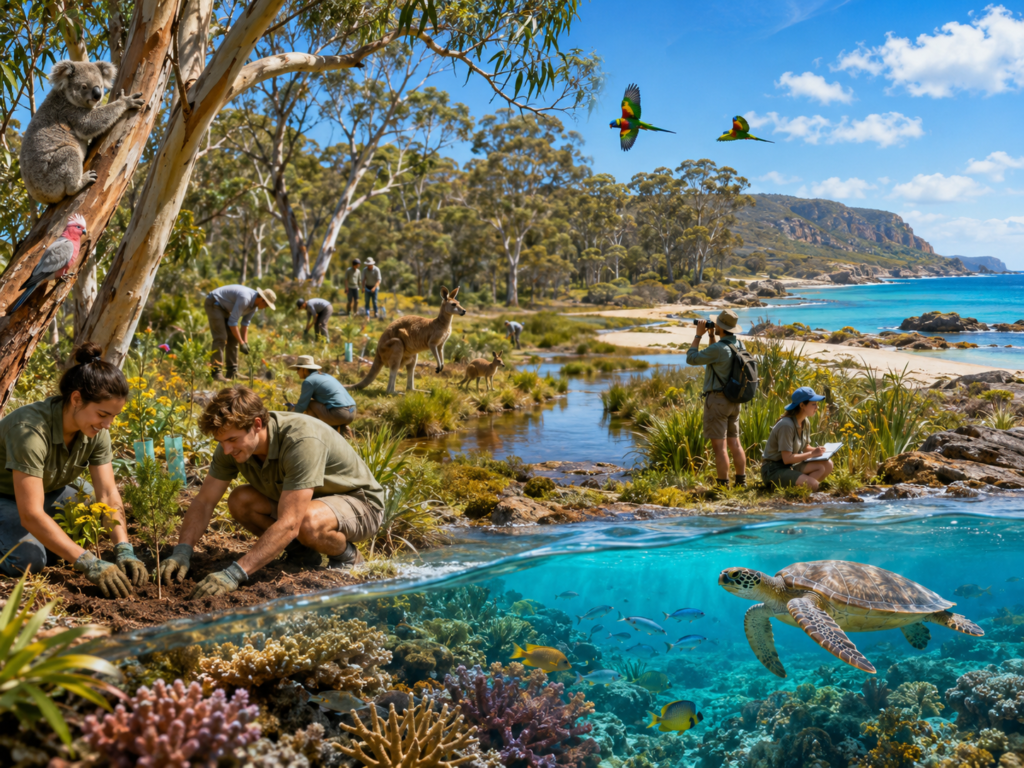
Australia faces a unique set of environmental challenges, including habitat degradation, deforestation, and climate-related threats. To tackle these issues, environmental organizations have emerged as essential actors in conservation and sustainability, bridging the gap between scientific research, public awareness, and policy action.
The Australian Conservation Foundation (ACF) is a central figure in the environmental movement, campaigning on issues ranging from renewable energy adoption to wildlife protection. The organization leverages advocacy and public engagement to influence governmental policies, ensuring that conservation priorities are incorporated into national strategies.
Bush Heritage Australia adopts a practical approach by purchasing ecologically valuable land to prevent habitat loss. Their conservation work involves restoring native vegetation, monitoring endangered species, and controlling invasive plants and animals. These efforts protect the ecological integrity of their properties while creating safe havens for threatened species.
WWF-Australia complements these efforts by focusing on large-scale environmental challenges such as climate change, sustainable fisheries, and forest conservation. Their initiatives often include scientific research, collaborative projects with local communities, and advocacy campaigns that aim to reduce human impact on sensitive ecosystems.
Community-driven organizations such as Landcare Australia play a vital role at the local level. Volunteers engage in tree planting, erosion control, and wetland rehabilitation, demonstrating the power of grassroots action in environmental protection. By mobilizing citizens, Landcare strengthens community ties while fostering environmental stewardship.
Corporate partnerships have become an important component of environmental work. Companies are increasingly encouraged to adopt sustainable practices, reduce emissions, and support conservation projects financially or through operational changes. These collaborations demonstrate how environmental protection can align with economic interests.
Education and outreach are crucial to long-term sustainability. Programs targeting schools, communities, and individuals help people understand environmental issues and encourage them to adopt eco-friendly practices. By raising awareness, organizations empower citizens to take meaningful action in their daily lives.
Policy advocacy remains a cornerstone of Australia’s environmental efforts. Organizations provide expertise and data to influence legislation, lobbying for stronger protections for ecosystems, species, and climate mitigation measures. Their research-driven recommendations help shape policies that balance development with conservation priorities.
The impact of environmental organizations in Australia goes beyond immediate conservation outcomes. Healthy ecosystems support biodiversity, improve water and soil quality, and enhance resilience to climate change. They also provide cultural, recreational, and economic benefits for communities.
By integrating land conservation, policy advocacy, education, and community engagement, environmental organizations ensure a holistic approach to sustainability. Their work highlights the importance of collaboration among government, private sector, and civil society to safeguard Australia’s natural heritage for future generations.