The Rise of Sustainable Entrepreneurship in Australia: Socially Responsible Business Models
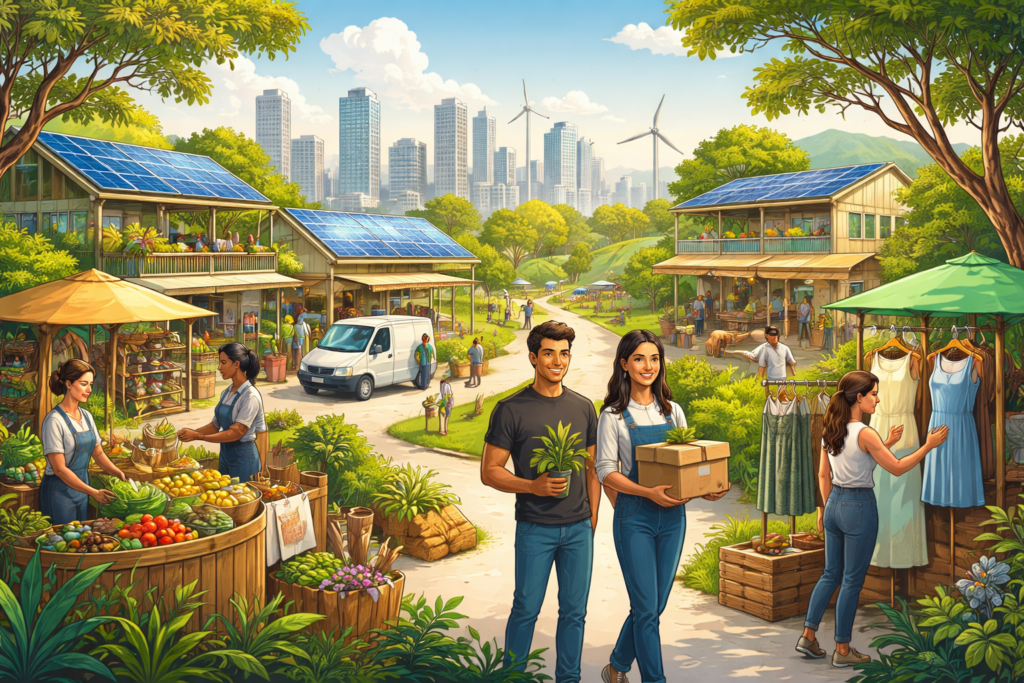
Sustainable entrepreneurship is gaining momentum across Australia as businesses recognize the growing importance of balancing profitability with social and environmental responsibility. Entrepreneurs in Australia are shifting from traditional business models focused solely on profit to ones that incorporate sustainability, social equity, and environmental stewardship as core values. This shift is in part due to increased public awareness, government regulations, and the global push towards a more sustainable future.
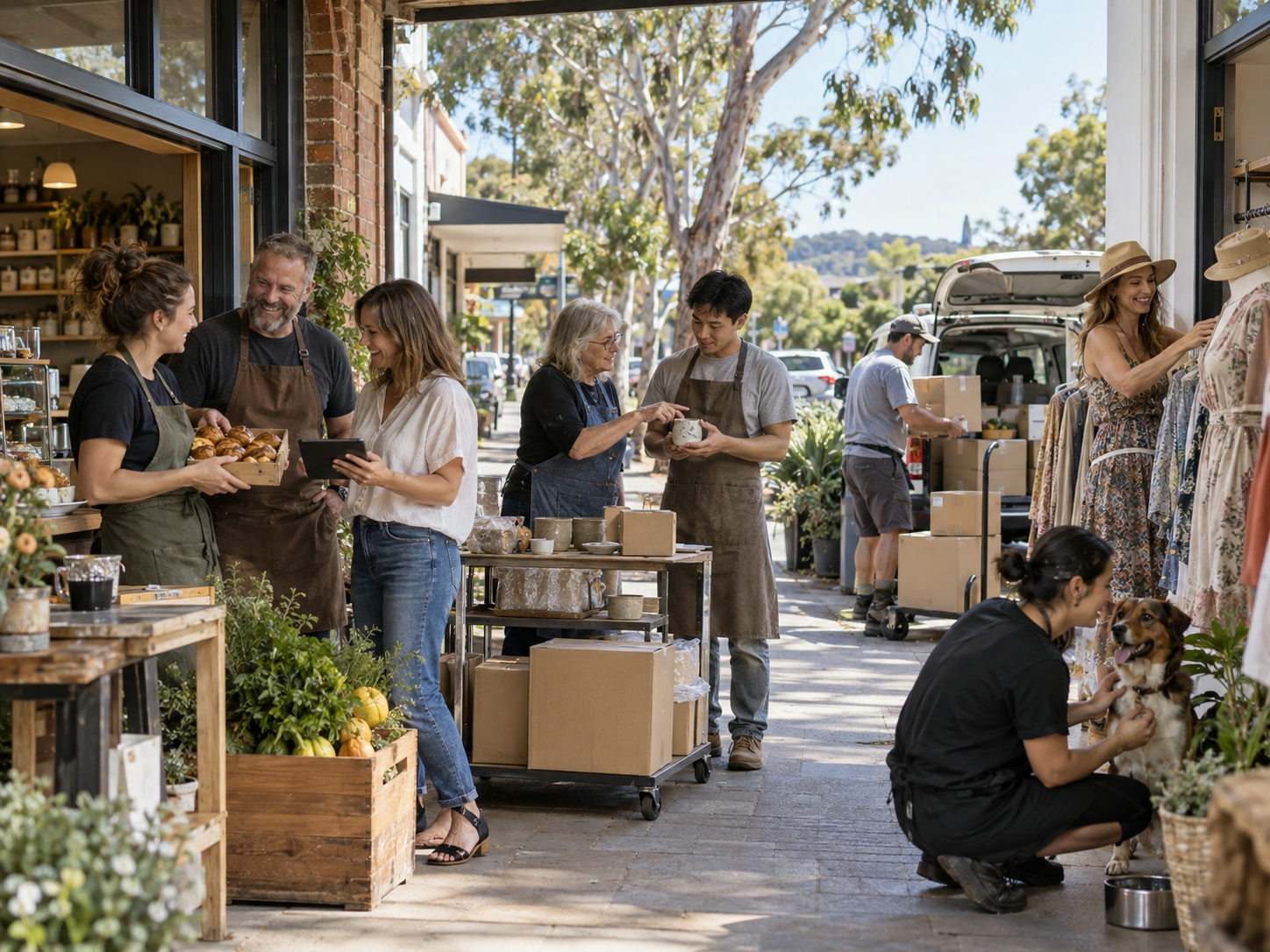
In the last decade, there has been an explosion of interest in businesses that embrace sustainability. Consumers are more informed than ever before and demand ethical practices from the companies they support. From sustainable sourcing to ethical labor practices, businesses in Australia are evolving to meet these new consumer expectations. Entrepreneurs are responding by integrating sustainable practices into all aspects of their operations, from product development to waste management and energy use.
A standout example in Australia is the rise of B-Corporations—businesses certified for their social and environmental performance. These companies meet rigorous standards of transparency, accountability, and performance, ensuring they are not only profitable but also socially responsible. Brands such as Koala, a direct-to-consumer mattress company, have earned B-Corp certification, showcasing their commitment to environmental sustainability through the use of natural materials and ethical manufacturing processes.
The food industry is another area where sustainable entrepreneurship is thriving in Australia. Organic and plant-based food brands, such as Fonda Mexican and Youfoodz, are gaining popularity as Australians become more conscious of the environmental impact of their dietary choices. These businesses source ingredients locally and use sustainable packaging materials, appealing to consumers who want to reduce their carbon footprint while enjoying healthy meals. The shift towards plant-based and sustainable eating is a response to both environmental concerns and the demand for healthier, more ethical food options.
The impact of sustainability-focused businesses is also evident in Australia’s fashion sector. Companies like The Social Outfit focus on ethical labor practices and environmentally friendly production methods. These businesses are working to reduce the fashion industry’s negative effects on the planet by using eco-friendly fabrics, promoting fair wages, and encouraging the reuse and recycling of garments. This new generation of fashion brands is helping to redefine the industry, proving that it’s possible to be both stylish and sustainable.
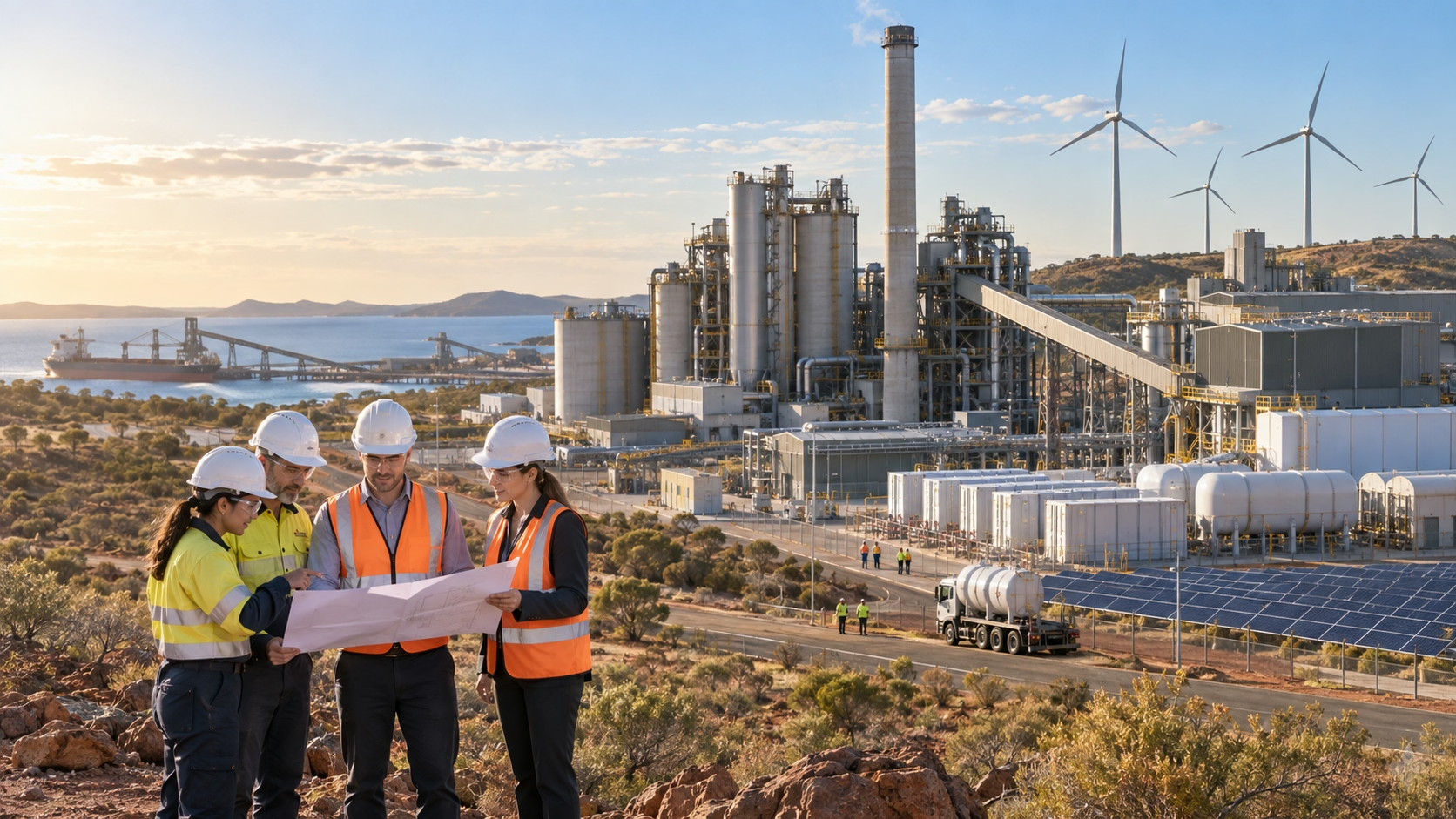
Beyond consumer goods, Australian entrepreneurs are also making waves in sectors like construction and technology. Green building practices are becoming increasingly common, with many companies in the construction industry using renewable energy sources and sustainable building materials. The technology sector is also seeing an influx of sustainable startups focused on developing solutions that address environmental challenges, from clean energy to waste reduction. These innovations are integral to the development of a sustainable economy, providing new business opportunities and contributing to Australia’s overall environmental goals.
The Australian government has been a significant catalyst in supporting sustainable entrepreneurship. Policies such as tax incentives for green technologies and funding opportunities for environmentally conscious businesses have played a role in fostering a sustainable business environment. Additionally, Australia’s commitment to reducing its carbon emissions in line with international climate agreements has spurred businesses to implement more sustainable practices, helping Australia remain competitive in the global economy.
Another aspect of sustainable entrepreneurship in Australia is the increasing importance of social sustainability. Many businesses are now addressing social issues, including poverty, inequality, and education, by developing models that aim to make a positive social impact. Social enterprises, which aim to address societal challenges while remaining financially sustainable, are gaining traction. For example, social enterprises like The Big Issue, a street magazine, empower marginalized individuals by providing them with employment and training opportunities, contributing to social inclusion.
In Australia, sustainable entrepreneurship is not just a passing trend; it is a fundamental shift in how businesses operate. By adopting sustainable practices, Australian entrepreneurs are not only meeting the demands of a more socially and environmentally conscious consumer base but also playing a critical role in shaping a more equitable and sustainable economy for the future.