How Australian Transport Start-ups Are Revolutionizing Mobility
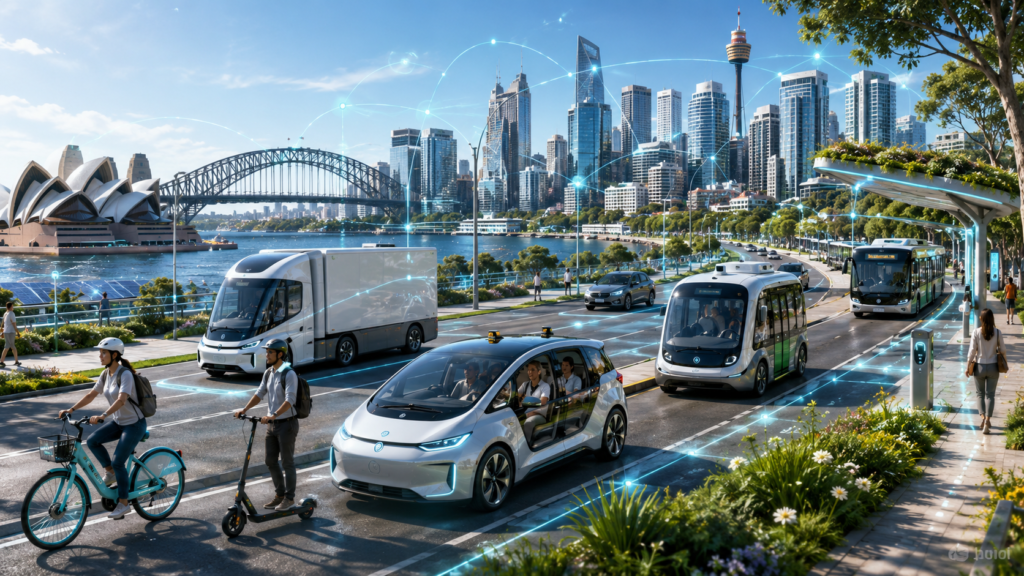
In recent years, Australia has witnessed a surge in start-ups focused on transforming the transport sector. By integrating cutting-edge technology, these companies are redefining mobility, enhancing efficiency, and addressing environmental concerns. Their innovations span from digital platforms to electrified and autonomous vehicles.
Mobility-as-a-Service (MaaS) is at the forefront of this transformation. Platforms offered by companies like GoGet provide users with seamless access to cars, e-scooters, bicycles, and public transport options through a single application. By combining scheduling, booking, and payment services, MaaS platforms simplify commuting while reducing reliance on personal vehicles. These systems also leverage real-time data to optimize travel routes, improve convenience, and support sustainable urban mobility.
Electric vehicle adoption in commercial fleets is another transformative trend. Australian start-ups such as SEA Electric are producing zero-emission trucks and vans, helping companies cut fuel costs and meet environmental targets. Governments have supported these efforts through subsidies, tax incentives, and infrastructure investments, encouraging wider deployment of electric mobility solutions. The development of more efficient battery systems has also contributed to broader adoption by increasing vehicle range and reducing operational expenses.
Artificial intelligence is increasingly central to transport innovation. Start-ups like RazorLabs apply machine learning algorithms to predict traffic congestion, streamline logistics, and enhance fleet utilization. These technologies provide valuable insights for transport operators and urban planners, enabling more efficient city management. AI-driven systems not only improve operational efficiency but also enhance safety by reducing the risk of accidents caused by human error.
Autonomous vehicles are gradually making their way into Australian streets. Companies such as Aurrigo Australia are piloting self-driving shuttles designed for urban environments. While regulatory approvals are ongoing, these initiatives are important for testing the safety, efficiency, and social impact of driverless transport. By integrating autonomous vehicles into public transport networks, start-ups aim to reduce traffic congestion and improve mobility for underserved areas.
Start-ups are also innovating in logistics and last-mile delivery. Electric vans, robotic delivery systems, and AI-enhanced routing software are helping reduce carbon emissions and improve delivery times in cities facing growing e-commerce demand. Such solutions demonstrate the potential for technology to tackle urban mobility challenges while supporting sustainable economic growth.
Funding has played a key role in fostering these innovations. Venture capital and government grants, including programs supported by the Australian Renewable Energy Agency (ARENA), provide start-ups with the necessary capital to develop prototypes, scale operations, and expand globally. These investments reflect confidence in the long-term potential of transport technology to transform the industry.
Through smart mobility platforms, electrification, AI, autonomous shuttles, and sustainable logistics, Australian start-ups are reshaping the transport sector. Their work is enabling more efficient, eco-friendly, and convenient travel solutions while laying the groundwork for a future where mobility is smarter, safer, and more integrated across urban landscapes.