Opportunities for Australian Start-ups in the Wearable Technology Market
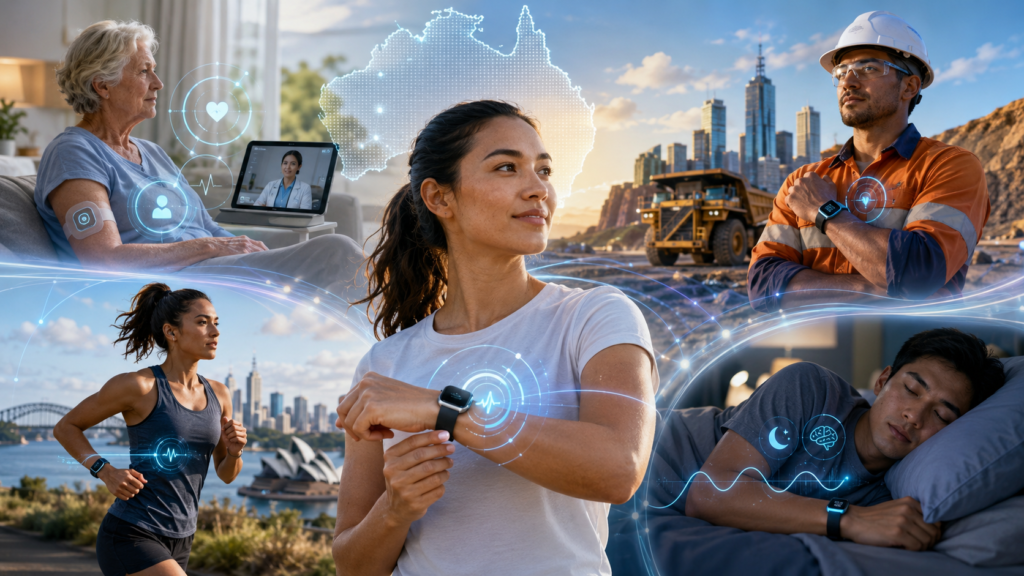
The wearable technology sector in Australia is expanding as people search for smarter ways to monitor health, improve fitness, manage safety, and connect with digital services. Wearables are becoming more advanced, moving from basic activity trackers to intelligent devices that can measure biological signals, analyse behaviour, and deliver real-time feedback. This creates a strong opening for start-ups that can design solutions for specific Australian needs.
Health and wellness remain the main forces behind wearable adoption. Many Australians use devices to track steps, workouts, sleep patterns, calories, heart rate, and stress levels. However, the next phase of growth is likely to come from deeper health insights. Users increasingly want devices that can help them understand fatigue, recovery, chronic conditions, and long-term wellbeing. Start-ups can compete by building software that interprets data clearly and provides practical guidance.
Australia’s geography makes remote health monitoring especially relevant. People living outside major cities may face long travel times to access medical services. Wearables can help by collecting health data continuously and sharing it with healthcare professionals when needed. For example, a wearable sensor could support someone recovering from surgery, managing heart disease, or living with a chronic illness. This type of technology can improve care while reducing pressure on clinics and hospitals.
The aged-care market is another important opportunity. As more older Australians seek independence, wearable devices can help monitor safety and wellbeing at home. Fall detection, emergency alerts, medication reminders, and movement tracking can support elderly users and their families. To succeed in this area, start-ups must focus on simplicity. A product for aged care should not feel complicated or intimidating. It should be comfortable, reliable, and easy for carers to manage.
Wearables are also changing sport and fitness in Australia. From elite athletes to casual gym users, people want better information about their performance. Devices that track speed, distance, heart rate variability, muscle strain, hydration, and recovery can help users train more effectively. Start-ups can build products for niche communities, such as surfers, runners, cyclists, swimmers, and football players. A focused product can often create stronger loyalty than a generic device.
Industrial use cases may provide some of the strongest commercial value. In sectors such as mining, construction, logistics, and farming, wearables can support worker safety and operational efficiency. Devices can alert workers to fatigue, heat stress, poor posture, or dangerous locations. Employers may adopt these tools because they can reduce accidents, improve compliance, and support duty-of-care responsibilities. For start-ups, enterprise wearables can offer a more stable business model than selling directly to consumers.
Another opportunity lies in wearable data platforms. Many devices collect information, but not all of them turn that information into useful action. Start-ups can create dashboards for doctors, coaches, employers, or individuals. Artificial intelligence can help identify patterns and provide personalised recommendations. The strongest products will likely combine sensors, analytics, and clear communication.
There are still challenges in the market. Consumers may hesitate if devices are expensive, uncomfortable, unattractive, or difficult to use. Health professionals may be cautious unless the data is accurate and clinically meaningful. Privacy concerns are also significant. Wearable companies must protect sensitive information and explain data use in a transparent way.
Australian start-ups should not try to copy global smartwatch companies. Instead, they can focus on specialised problems where local knowledge matters. Wearables designed for remote healthcare, aged care, sports performance, or high-risk workplaces can address real needs in the Australian market. With careful design, trusted data practices, and strong partnerships, wearable technology can become a major area of start-up growth in Australia.