Technology and Infrastructure M&A: Australia’s Digital and Physical Networks Under New Ownership

The Infrastructure Supercycle
Australia’s infrastructure assets have become prime targets for global capital in 2026, as investors seek stable, long-duration returns in an uncertain world. The defining transaction came in September when Transurban Group agreed to buy A$4.5 billion (US$3.1 billion) of Australian toll road assets from Canada Pension Plan Investment Board. The deal increases Transurban’s stakes in three of Sydney’s busiest toll roads, including a 25 per cent stake in NorthWestern Roads and a 10.5 per cent holding in Sydney Transport Partners.
Morgan Stanley Infrastructure Partners also made a significant move, agreeing to acquire Epic Energy, an Australian gas pipeline operator, with the transaction expected to close in the second half of 2026 subject to regulatory approvals.
Digital Infrastructure: The New Frontier
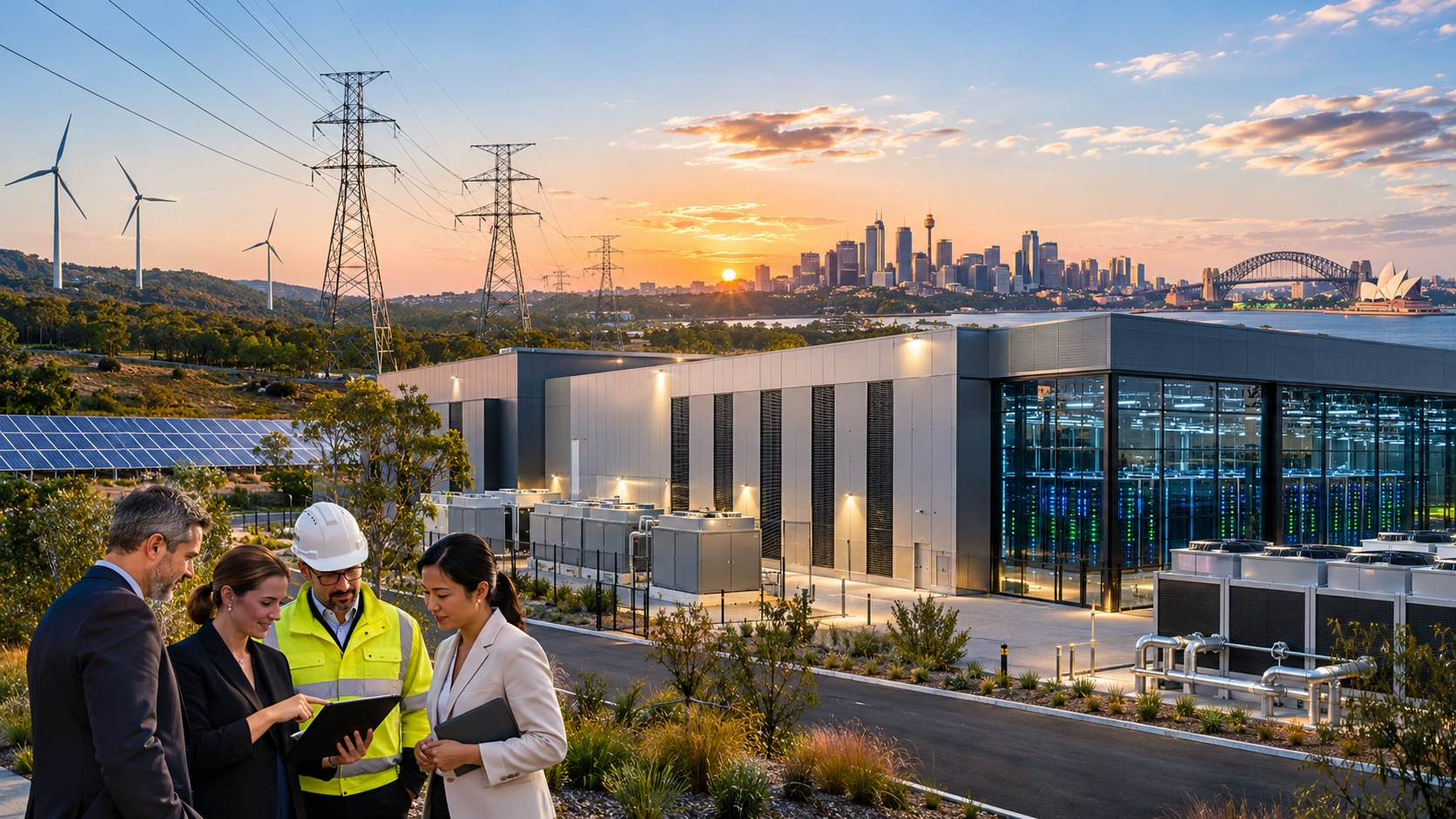
The AI infrastructure boom has arrived in Australia with force. “We are seeing large funding tasks and M&A in the datacentre space,” said Nick Brown, co-head APAC M&A at UBS. This trend is reshaping the digital infrastructure landscape, with data centres becoming strategic assets for both operators and investors.
In July 2026, Next Capital agreed to acquire Fujitsu’s Australian data centre business, comprising five data centres across Sydney, Melbourne, Brisbane and Perth. The transaction reflects growing recognition that data centre capacity is critical infrastructure for the AI era.
The smart infrastructure sector has also attracted significant deal flow. DigitalBridge Group, a US-based private equity firm being acquired by SoftBank Group, agreed to buy one of Australia’s largest smart-meter providers from Ausgrid Group.
Technology M&A: From Parking to Publishing
Australia’s technology sector has seen a remarkable surge in M&A activity. TMT deals doubled from the previous year and nearly equalled energy and resources transactions, according to Corrs Chambers Westgarth. The firm highlighted CoStar’s A$2.8 billion acquisition of Domain and the merger between Southern Cross Media Group and Seven West Media as examples of the trend. “We expect this remarkable growth trajectory to continue into 2026,” the report stated.
EQT’s acquisition of Australian smart parking technology firm Orikan exemplifies the appeal of technology-enabled infrastructure. EQT said the acquisition will help Orikan invest in innovation, strengthen its business and expand into adjacent markets. The sale remains subject to customary regulatory approvals.
In the wagering technology space, Tabcorp Holdings agreed to acquire BetMakers Technology Group at an enterprise value of approximately A$267 million (US$189 million). The deal will accelerate the modernization of Tabcorp’s wagering technology stack, building on a two-year transformation at BetMakers.
Energy Transition Infrastructure
The energy transition is creating new infrastructure investment opportunities. Morgan Stanley Investment Management announced it has agreed to acquire Epic Energy, an Australian gas pipeline operator, positioning itself for the evolving energy landscape.
In August 2026, OX2, a global renewable energy developer owned by EQT, acquired the Corop Hybrid Solar and BESS Project, with DLA Piper advising on the transaction. This deal reflects growing investor appetite for hybrid renewable energy assets that combine solar generation with battery storage.
Why Infrastructure and Tech Will Dominate
Several structural factors make Australian infrastructure and technology assets particularly attractive. First, Australia’s stable regulatory environment and predictable legal framework provide confidence for long-term investors. Second, the country’s proximity to Asian markets and its participation in critical minerals supply chains create strategic value. Third, the AI boom is driving unprecedented demand for data centres, smart meters and digital infrastructure.
The mid-market remains particularly active, with continued deployment of private capital and a more settled interest rate environment supporting deal flow. As global investors seek to deploy capital into assets with predictable revenue streams and energy transition exposure, Australia’s infrastructure and technology sectors are well-positioned to capture a significant share of that investment.