Investment and Policy Fuel Australia’s Robotics Startup Ecosystem in 2026
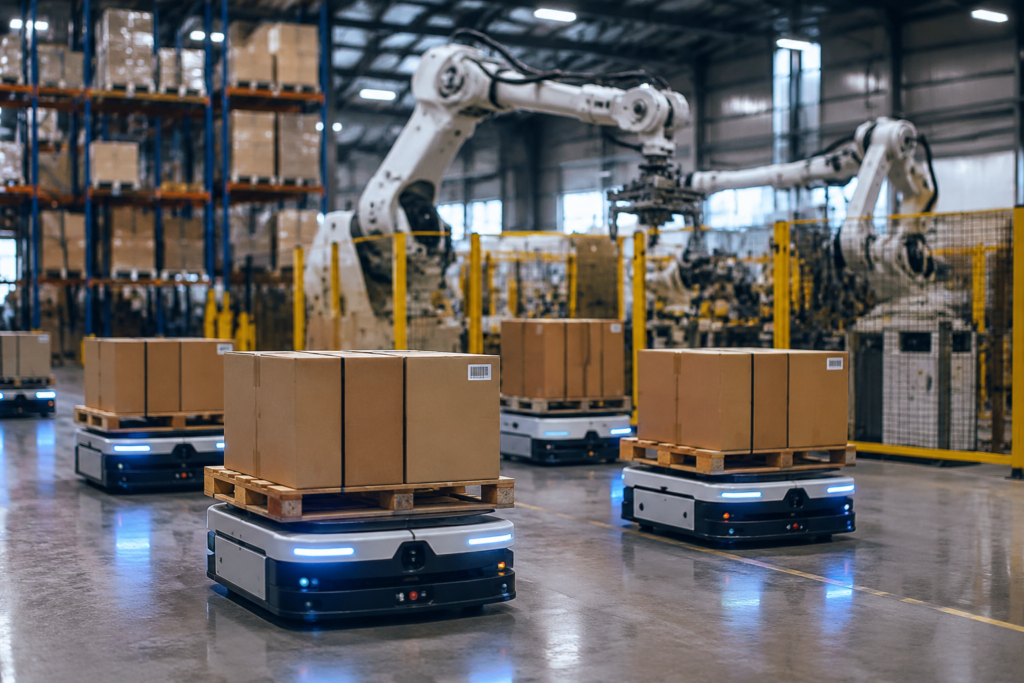
Australian robotics startups are no longer dependent on university grants alone. A mix of federal policy, state funding, venture capital and corporate partnerships is creating a more resilient commercial environment. The shift is visible in the number of companies moving from proof of concept to recurring revenue.
The National Robotics Strategy as an Investment Signal
The National Robotics Strategy, available at industry.gov.au, has become a reference point for investors. It identifies priority sectors including advanced manufacturing, agriculture, resources, healthcare and services. By aligning public funding with these priorities, the strategy reduces uncertainty for private capital. In 2026, this alignment is translating into larger seed and Series A rounds for startups with defensible technology.
Where Capital Is Flowing
Investment is concentrating in three areas: autonomous mobile robots for logistics, field robots for agriculture, and inspection robots for resources. Software-only robotics startups are also raising capital, particularly those offering fleet management and robot operating system integration. Investors favour companies that can demonstrate unit economics in a single industry before expanding horizontally. This discipline is producing fewer, but stronger, venture-backed teams.
The Role of State Programmes
State governments have launched targeted funds. Queensland’s manufacturing hubs, Western Australia’s resources technology programmes and New South Wales’ defence innovation schemes all provide non-dilutive grants. These grants often require industry co-funding, forcing startups to secure customer commitments early. That discipline improves the quality of later-stage companies and reduces the risk of building products without demand.
Corporate Partnerships Reduce Adoption Risk
Large Australian companies in mining, logistics and agriculture are increasingly acting as first customers. BHP, Rio Tinto, Australia Post and major horticulture groups run pilot programmes that give startups scale, data and credibility. These partnerships are often more valuable than cash because they validate the technology in demanding operational environments. A successful pilot with a major miner can open doors to international contracts.
Export Ambitions in 2026
The domestic market alone cannot sustain the current number of robotics startups. Australia’s small population means high-growth companies must export. Robotics firms are targeting the United States, Canada, Chile and Southeast Asia for mining and agriculture applications. The reputation for rugged, reliable automation is helping. Austrade and government trade missions are becoming more focused on robotics and AI, recognising the sector’s export potential.
Challenges That Remain
Talent remains a constraint. Australia produces excellent researchers but not enough robotics engineers, technicians and product managers. Visa pathways and university-industry programmes are slowly improving the pipeline. Standardisation of safety certification across states also remains an issue, though national frameworks are reducing duplication. Solving these bottlenecks will determine whether the current investment wave produces globally competitive companies rather than a collection of promising pilots.