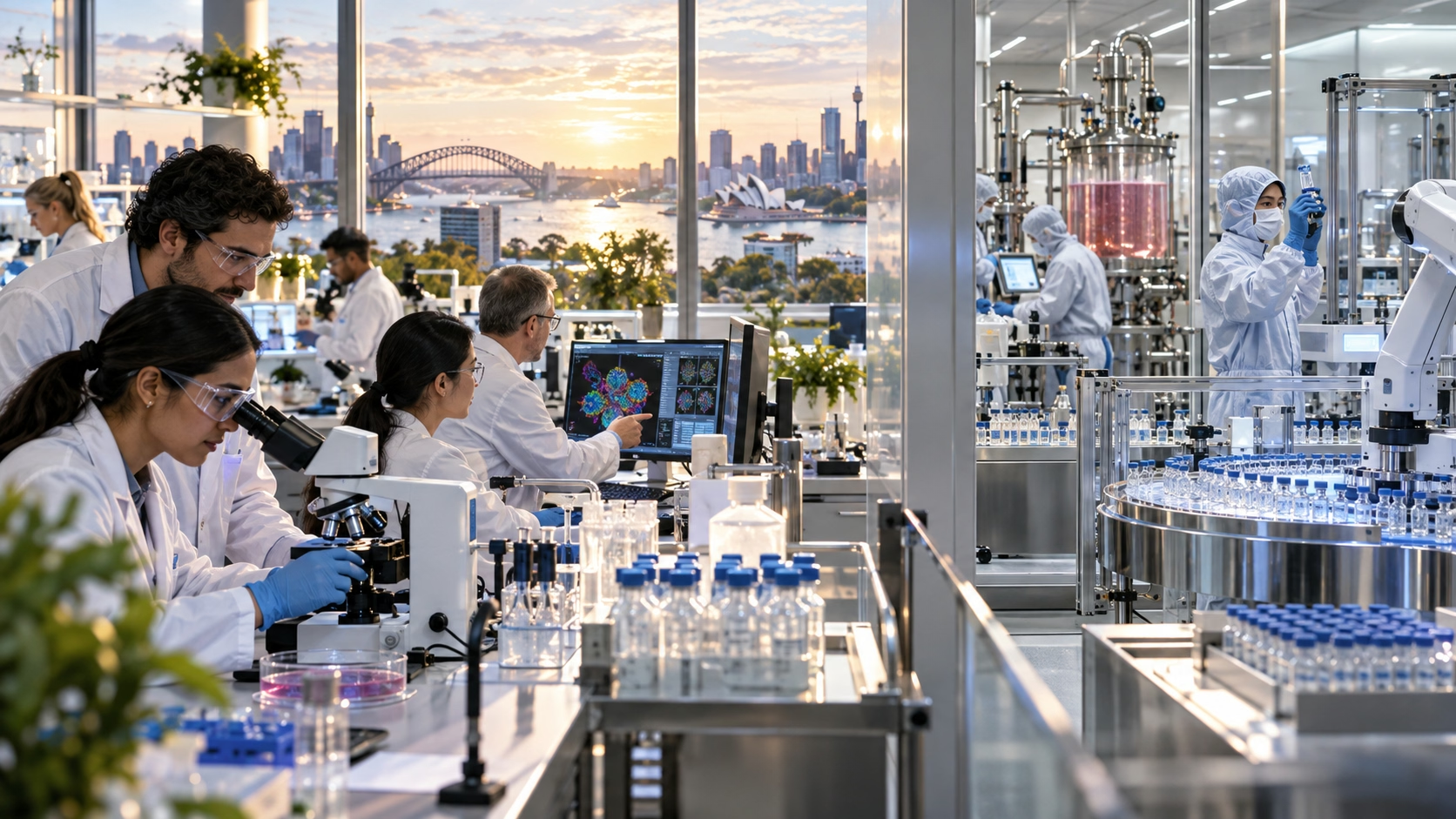
AI Biosecurity Shields, Gene-Edited Crops and Drone Surveillance: Australia’s New Defense Against Crop Collapse
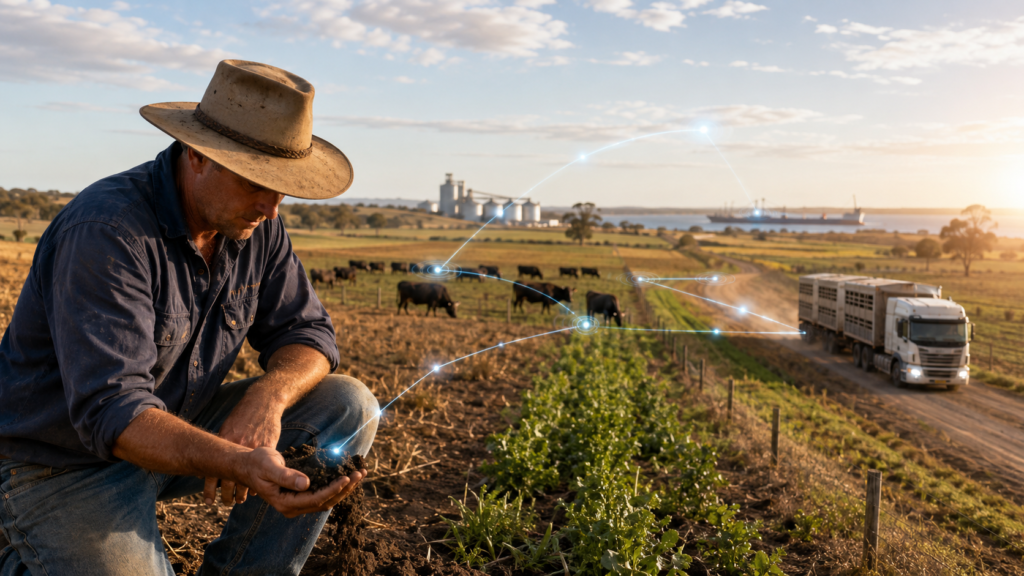
A single exotic fruit fly could cost Australian horticulture hundreds of millions of dollars—but AI is now spotting them before they reach the orchard. Agribusiness companies are deploying machine vision, gene editing and drone surveillance to build a national shield against crop collapse.
Biosecurity Threats Have Never Been More Complex
Climate change is expanding the range of pests and diseases. Brown marmorated stink bug, fall armyworm and citrus canker are just three threats that have demanded rapid responses in recent years. With 70 percent of Australian agricultural output exported, a biosecurity breach could close markets overnight and devastate regional economies.
AI Algorithms Spot Pests Before They Spread
Ports and airports are the first line of defense. AI-powered image recognition systems scan shipping containers, baggage and imported plant material for insect eggs and larvae. Smart traps in commercial orchards use machine learning to identify pest species from wing patterns and send real-time alerts to agronomists. This reduces the lag between detection and eradication, which is critical for containing outbreaks.
Gene Editing Builds Genetic Resistance Without Transgenics
Australian gene technology regulations now allow certain gene edits that do not introduce foreign DNA. This has accelerated the development of crops resistant to fungal rusts, viruses and root diseases. For example, researchers are using CRISPR to modify wheat so it can recognise and resist stem rust variants that have devastated crops in East Africa. Unlike traditional GMO traits, these edits are often indistinguishable from natural mutations, making them more acceptable to consumers and trading partners.
Drones Create a 24/7 Surveillance Grid
Drones equipped with hyperspectral cameras can detect plant stress before visible symptoms appear. Fungal infections, water stress and nutrient deficiencies alter leaf reflectance in distinct ways. AI software then maps affected areas and guides targeted spraying or removal. In the Sunraysia horticultural region, drone operators now monitor citrus, grape and almond blocks for early signs of Huanglongbing (citrus greening), a disease not yet present in Australia but under constant threat.
Government Investment and Industry Collaboration
The Australian Government’s 2026 Biosecurity Statement, available at Department of Agriculture, Fisheries and Forestry biosecurity, commits A$1.1 billion over four years to upgrade surveillance networks, gene editing research and regional biosecurity officers. This funding is matched by industry levies from grains, horticulture and livestock bodies. The result is a layered defense: AI detection at the border, genetic resistance in the paddock and drone monitoring at the canopy level.
By fusing digital surveillance with molecular biology, Australian agribusiness is making biosecurity a real-time, adaptive system rather than a reactive one.