Practical Finance Pathways for Australian SMEs: A Use‑Case Lens
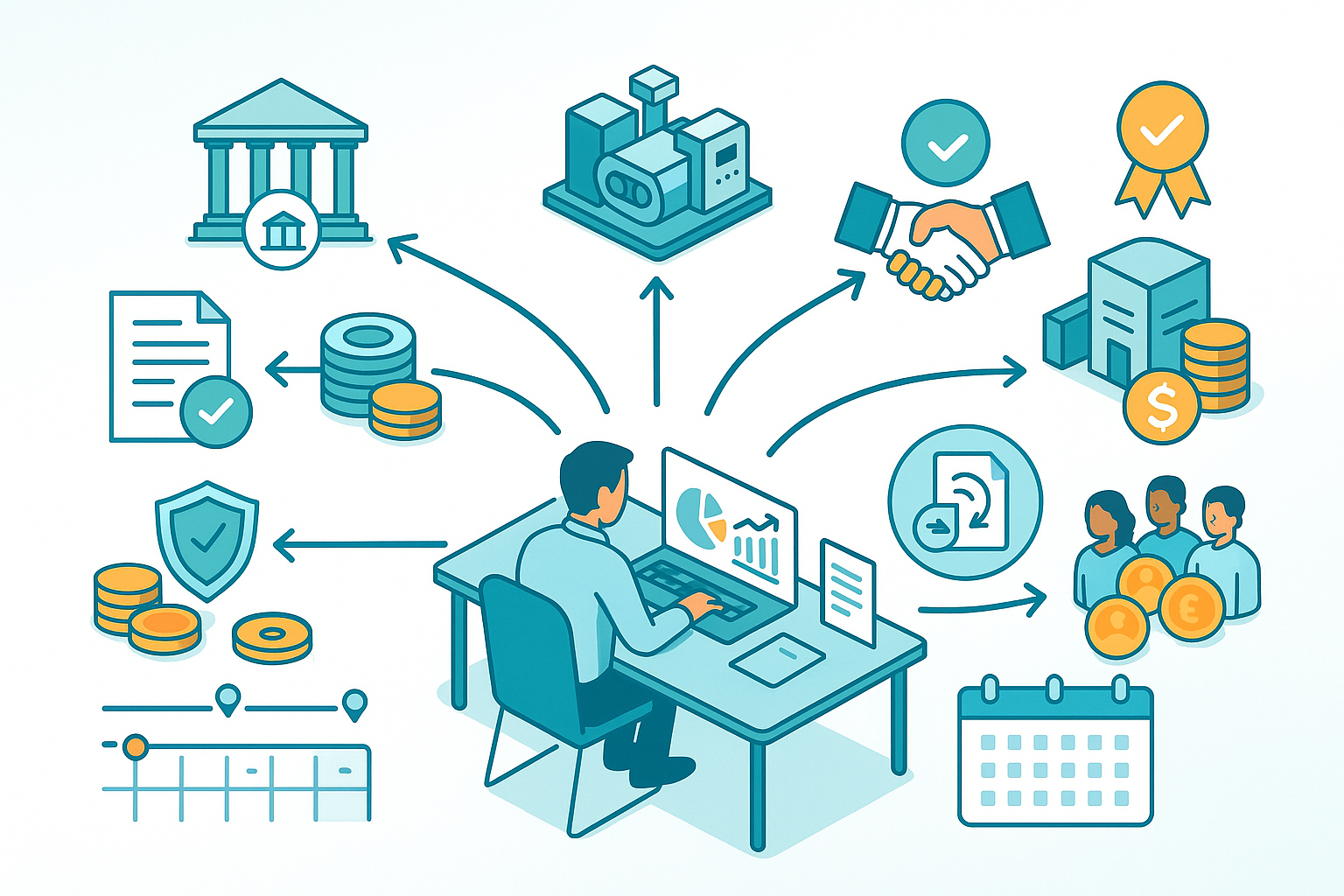
Consider three recurring use cases. A wholesaler struggles with late‑paying retailers: an overdraft or invoice finance facility can turn sales into near‑cash, while better credit control lowers the limit needed. A manufacturer wants a new CNC machine: equipment finance or a term loan matches repayment to asset life; a state manufacturing voucher may offset setup or training costs. A software firm planning overseas launch needs marketing dollars: export development support, an accelerator program for market access, and possibly an equity round to fund the runway.
Across these cases, bank products reward predictability. Lenders examine debt service coverage, leverage ratios, customer concentration, and the resilience of margins under stress. Covenants may limit additional borrowing or require periodic reporting. Offering security—plant, equipment, or property—can improve pricing, but directors should understand guarantee exposure. Where bank appetite is low, specialist lenders can provide short‑tenor working‑capital lines, often settling within days.
Public instruments lower the cost of strategic bets. The R&D Tax Incentive offsets qualifying development costs; export assistance helps fund market validation; regional and sectoral programs co‑fund equipment upgrades or energy‑efficiency improvements. Timelines matter: applications are typically tied to financial years or program windows, and claims require contemporaneous records. Assign someone internal (or a consultant) to manage calendars, documentation, and audit trails.
Equity fills ambition gaps. Angel syndicates move rapidly when signals are strong: customer love, repeatable sales, and a credible team. Venture capital brings scale money and governance frameworks. Equity crowdfunding can double as marketing, turning customers into shareholders under Australia’s regulated regime. Hybrid options—convertibles, SAFEs, revenue share—preserve flexibility when valuation is contested or revenue is lumpy.
Common hazards: thin data rooms, optimistic forecasts untested by sensitivity analysis, and unclear use‑of‑funds narratives. Investors and lenders want to see unit economics (gross margin, payback, lifetime value), cash‑conversion cycles, and milestone‑based budgets. Legal hygiene matters: IP assignments from contractors, clean supplier agreements, and compliant employment records. For exporters, be ready to address currency risk and logistics. A disciplined approach—build a three‑way model, map months of runway at various sales scenarios, pre‑collect customer references, and line up at least two financing alternatives—raises the odds of a fast, favourable decision.