Store Formats, Experience, and the Omnichannel Era
Australian retail companies are not only defined by their logos and advertising campaigns, but also by the physical environments they create. For decades, major players anchored regional shopping centres and high-street precincts, shaping how and where people spent their time and money. The rise of e-commerce did not eliminate these spaces, but it did force a reimagining of their role in the broader shopping journey.
Traditional department stores once symbolised variety and aspiration, offering everything from clothing to homewares under one roof. Today, they compete with specialty chains, online-only fashion labels, and fast-fashion giants. To stay relevant, some have focused on curated ranges, improved in-store services, and partnerships with well-known brands to create a more compelling reason to visit. Store design has shifted towards open, flexible layouts and interactive displays designed to encourage browsing rather than just transactional visits.
Supermarkets and big-box retailers have also invested heavily in the in-store experience. Wider aisles, more appealing fresh food sections, ready-to-eat meals, and dedicated spaces for local or premium products are now common. Technology plays an increasingly visible role: self-checkout machines, electronic shelf labels, and digital screens support labour efficiency and promotional flexibility. These features are introduced carefully, as Australian shoppers balance their desire for speed with expectations of human assistance and clear pricing.
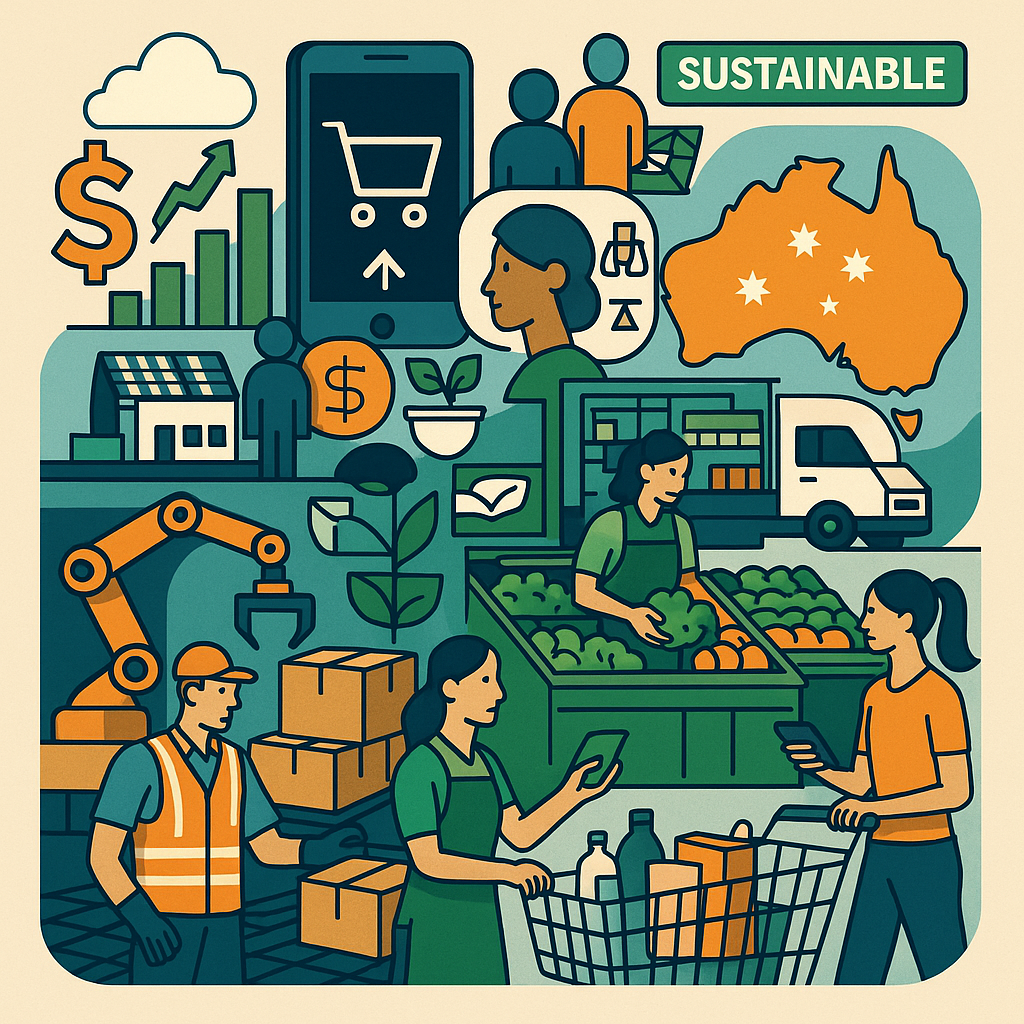
The concept of “omnichannel” has become central to strategy. Australian consumers often begin their shopping journey online, comparing products and reading reviews, before finalising purchases in-store. Retailers respond by integrating websites, apps, and physical stores into a consistent ecosystem. Customers can browse online, check stock levels at a local outlet, and choose between home delivery and click-and-collect. Loyalty programs connect these touchpoints, allowing rewards and personalised offers to follow the shopper across channels.
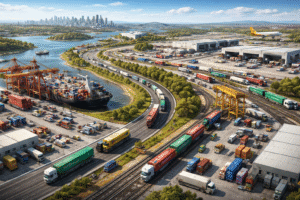
Behind the scenes, new formats such as dark stores and micro-fulfilment centres have emerged to support rapid delivery and efficient online order picking. These spaces are not open to the public but play a crucial role in enabling dominant retailers to handle high volumes of online orders. By leveraging their existing logistics networks, large companies can often offer faster or cheaper fulfilment than smaller competitors, reinforcing their market position in the digital sphere.
At the same time, experiential and niche retail is carving out its own space. Independent bookstores, speciality food shops, and boutique fashion labels emphasise atmosphere, community, and personal service as their main differentiators. While they may not match the breadth or price competitiveness of bigger chains, they influence expectations about what a good store visit should feel like. In response, larger retailers experiment with pop-up spaces, in-store events, and collaborations with local producers to add a more human dimension to their scale.
Shopping centres themselves are evolving beyond pure retail. Many incorporate entertainment, dining, health services, and co-working spaces to maintain foot traffic. For major anchor tenants, this creates new opportunities and challenges: they benefit from diversified visitor flows but must also compete for attention against restaurants, cinemas, and service providers. The dominance of large Australian retailers is thus intertwined with their ability to fit into these multi-purpose destinations.
Overall, the Australian retail landscape is moving from a model based purely on physical presence to one where experience and integration matter just as much. Dominant companies must design store formats that complement digital channels, meet rising expectations for convenience, and still provide a sense of discovery. The winners are likely to be those that treat stores not only as transaction points, but as critical moments in a broader, omnichannel relationship with their customers.