Logistics & Transportation Companies in Australia: How Infrastructure Drives Smarter Freight
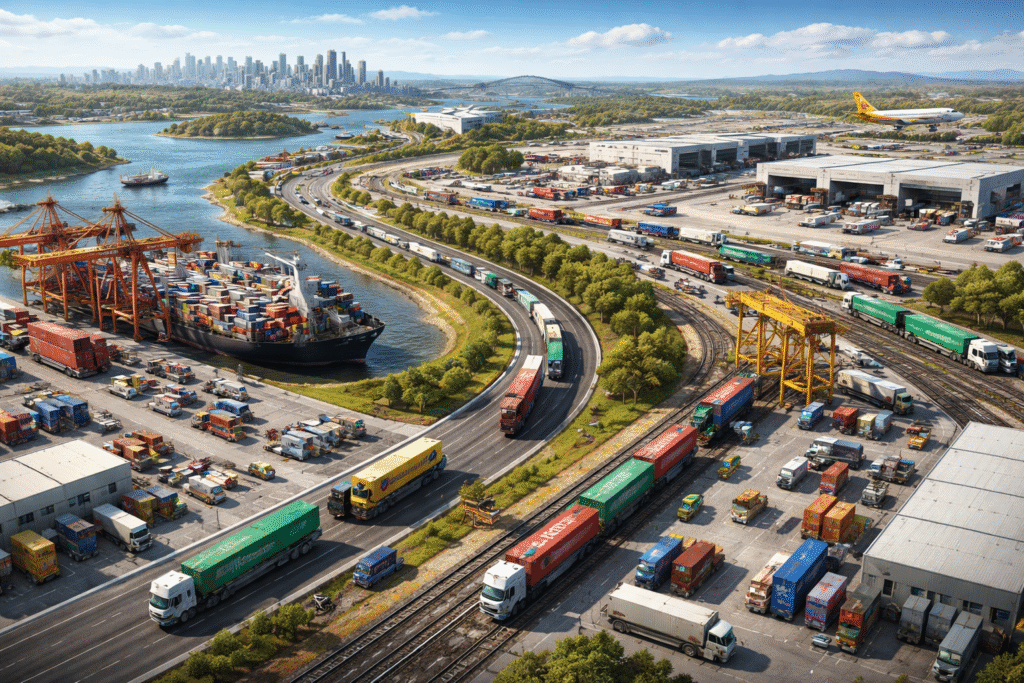
Australia’s freight ecosystem is shaped by two realities: the country depends heavily on trade, and its population and production zones are spread across immense distances. Logistics and transportation companies must therefore operate like network engineers—positioning facilities near key gateways and applying operational tools that keep freight moving with minimal waste.
Gateways and corridors: where freight enters and flows
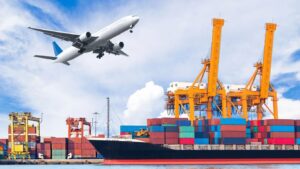
Most imported consumer goods arrive by sea, with major container ports including Melbourne, Port Botany in Sydney, Brisbane, and Fremantle. Around these ports, logistics clusters provide essential supporting functions: container handling, quarantine and inspection processes, bonded storage, and rapid dispatch into domestic networks.
Road freight is the backbone of domestic distribution, particularly for metro deliveries and regional servicing. Linehaul routes link the east-coast capitals and extend to Adelaide and Perth, while regional roads connect farms, mines, and manufacturing sites to consolidation points. Rail plays a strategic role where volumes justify it, especially for bulk commodities and intermodal container transfers between large cities. Air freight adds speed for high-priority shipments through airports in Sydney, Melbourne, Brisbane, and Perth, often integrated into overnight parcel networks.
Provider landscape: from contract logistics to last-mile
The industry is served by a mix of national and international players:
- Contract logistics and transport operators such as Toll and Linfox are known for large fleets, dedicated customer solutions, and extensive warehousing footprints. Their capabilities often include inventory management, packaging, reverse logistics, and multi-temperature distribution for grocery or healthcare.
- Rail-linked operators and bulk freight specialists, with companies like Aurizon and Pacific National prominent in rail freight, support long-distance movements that would be costly or inefficient by road alone.
- Parcel networks and e-commerce delivery led by Australia Post, along with private carriers that focus on fast delivery, tracking events, and customer experience features like parcel lockers and simplified returns.
- Global forwarders and integrators (e.g., DHL and other multinationals) that manage international shipping, customs brokerage, and multimodal routing for importers and exporters.
Practical efficiency: what high performers do differently
Efficient logistics in Australia starts with network design. Providers place distribution centres near population centres and freight corridors, using regional depots to reduce delivery kilometres and improve service reliability. Cross-docks enable rapid sortation of inbound goods into outbound routes, limiting storage time and accelerating retail replenishment.
Technology is the next lever. TMS platforms help planners build cost-effective routes, consolidate shipments, and select carriers based on service and price. WMS tools boost warehouse throughput with barcode scanning, optimised pick paths, and real-time inventory accuracy. Telematics improve fleet performance by tracking idling, speed patterns, and maintenance needs—reducing fuel costs and preventing breakdown-driven delays.
Specialisation also improves outcomes. Cold chain logistics relies on validated temperature control, calibrated sensors, and documented handling procedures to protect product integrity. Dangerous goods services require trained staff, segregation rules, compliant packaging, and rigorous paperwork—areas where professional operators protect shippers from costly incidents.
Compliance, risk, and sustainability pressures
Australia’s heavy vehicle standards, fatigue rules, and chain-of-responsibility obligations shape transport scheduling and loading practices. Biosecurity requirements can affect how certain cargo is packed, stored, and inspected. Providers that treat compliance as an operational system—training, audits, and traceable documentation—reduce the likelihood of fines, delays, or rejected loads.
Environmental expectations are rising as well. Many companies pursue route optimisation to cut emissions, trial alternative-fuel vehicles for metro runs, and invest in more energy-efficient warehouses.
Australia’s best logistics and transportation companies combine strategic placement near gateways with disciplined execution—using intermodal options, digital visibility, and compliance-first operations to deliver efficient freight in a challenging geography.